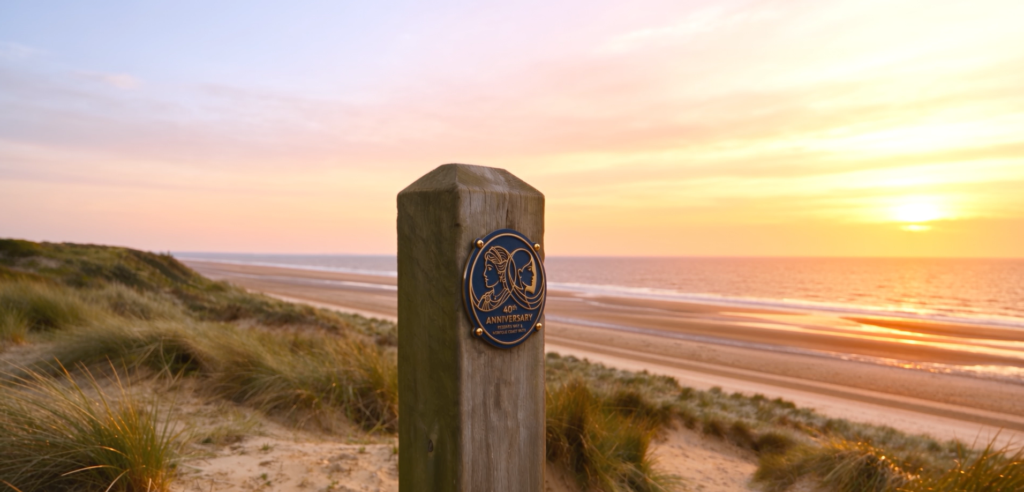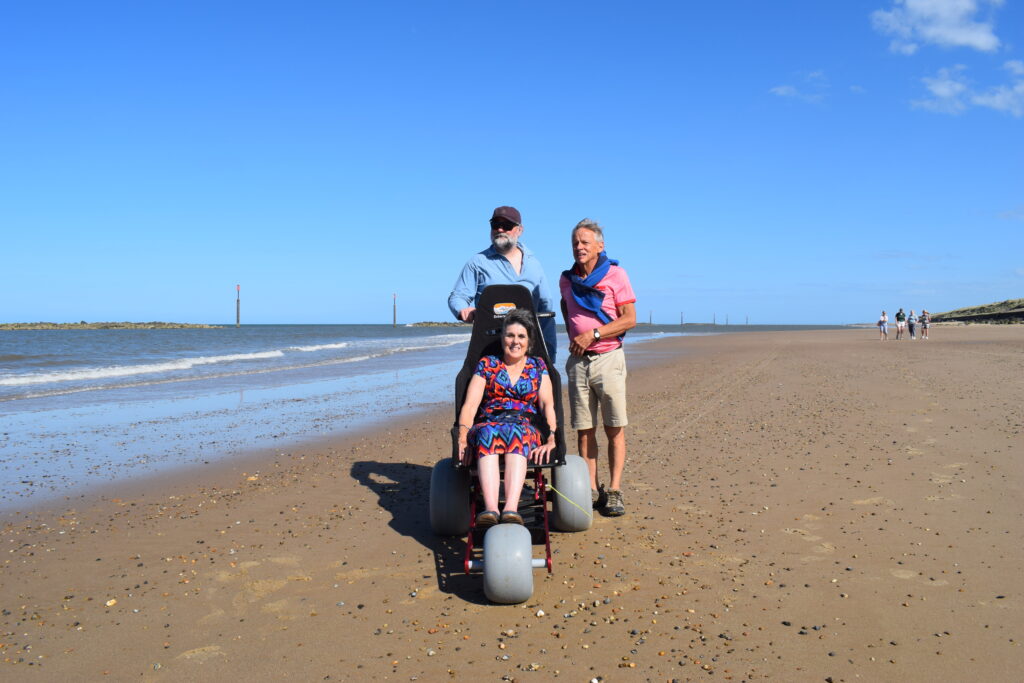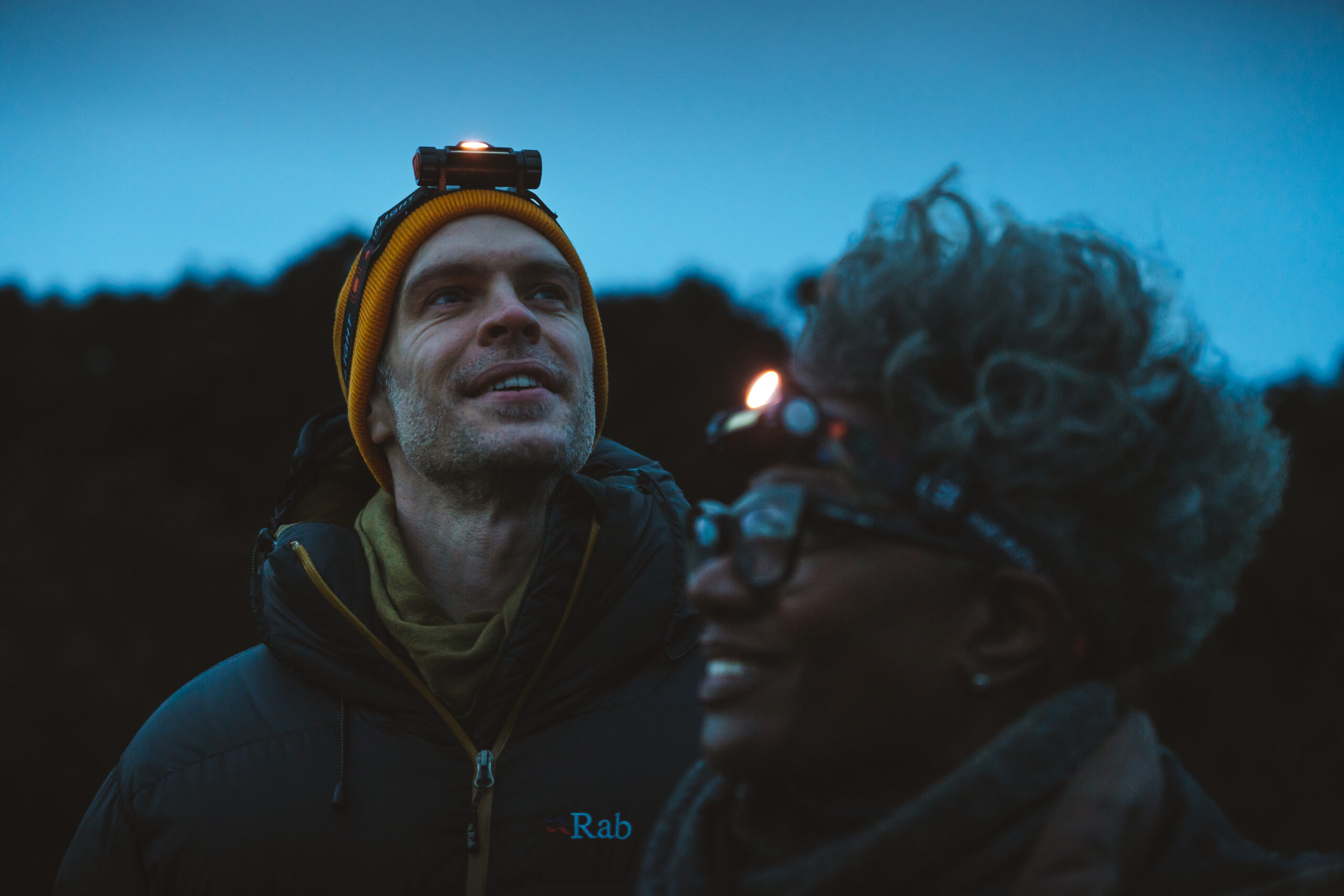
We are delighted to announce the return of the Dark Skies Festival 2026-27, a programme of free events running from October to March. We invite everyone to experience the night skies of our coast like never before through stargazing, storytelling, wildlife experiences and more. The festival explores traditional coastal culture and its connection to the stars, the impacts of light pollution and the simple actions we can all take to help mitigate them.
Dark Skies Festival Events 2026-27
Explore our programme of Dark Skies Festival events below. We’ll continue to update this page as new events are announced throughout the festival:
Dark Skies Festival 2026-27 Launch Event
Sheringham Community Centre, Sheringham
Wednesday 7 October 2026
18:00 – 21:30
Guided Dark Skies Walk at RSPB Titchwell
Titchwell RSPB Reserve, Titchwell
Wednesday 14 October 2026
17:15 – 19:00
The Art of Twilight Photography with Rachel Wright
Wiveton Hall, Wiveton
Saturday 14 November 2026
15:00 – 17:00
An Evening of Astronomy with North Norfolk Astronomy Society
Binham Village Hall, Binham
Thursday 19 November 2026
18:30 – 20:30
Brighter is not always better
Protecting and enhancing our dark skies is a key priority outlined in the Norfolk Coast National Landscape Management Plan 2025-30. They are one of the defining features of our coast, inspiring awe, wonder and a deeper connection with nature. Through initiatives such as our annual Dark Skies Festival, we aim to raise awareness of the impacts of artificial light at night and the growing threat it poses to wildlife, ecosystem health and our own wellbeing. That’s why we encourage everyone to take small, positive actions that can collectively make a meaningful difference:
- Turn lights off when you aren’t using them or use a timer that automatically turns them off for you.
- Fit light shields or install downward-facing lights which limits glare and helps reduce light pollution.
- Share the message with friends and family about why reducing light pollution matters for wildlife and for us.
Why darkness matters for nature
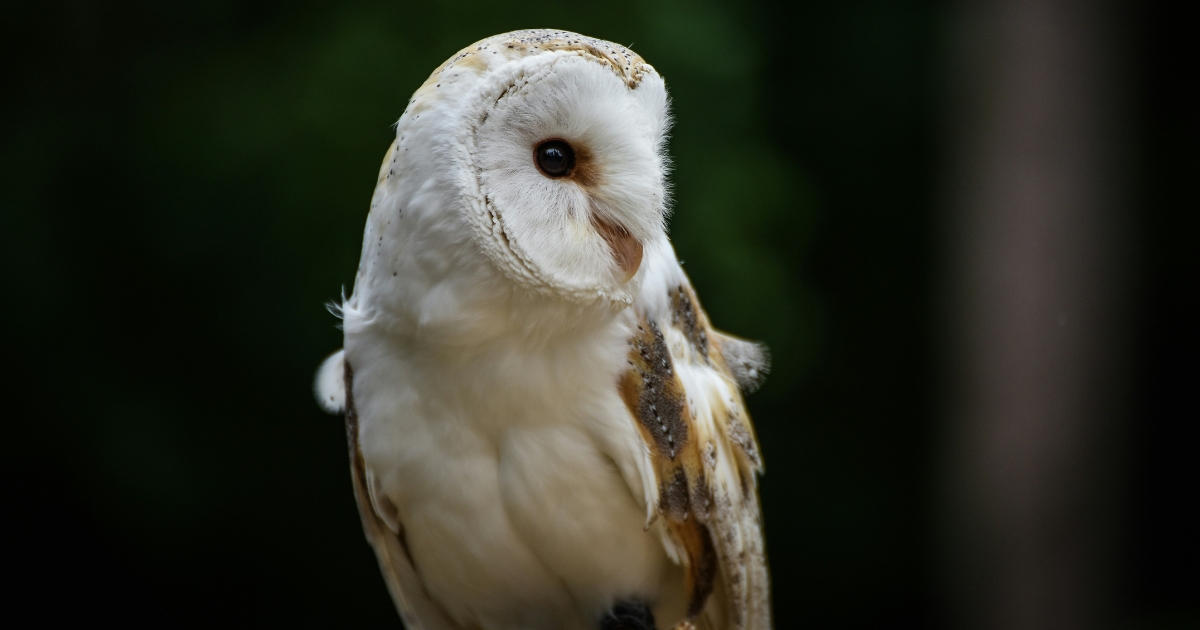
Artificial lighting disrupts natural habitats and the behaviour of many nocturnal species across our coast. This includes bats, night-flying moths, dormice and other invertebrates that depend on dark skies for survival:
- Bats – All bat species are nocturnal specialists and highly sensitive to artificial light. Protected under the Wildlife & Countryside Act (1981), lighting near roosts can cause disturbance and does constitute as an offence.
- Birds – Artificial light can interrupt birds’ sleeping patterns, disrupt breeding cycles and alter the behaviour of the insects they rely on for food.
- Invertebrates – Artificial light can fragment insect populations and disrupt feeding, breeding and movement patterns. It is estimated that up to one-third of insects attracted to artificial lighting die because of prolonged exposure.
- Plants – Artificial light can interfere with natural plant functions, including flowering, dormancy, germination, and photosynthesis, increasing plant stress and reducing pollination efficiency.
Taking action
To help address these challenges and support our Management Plan 2025-30, we produced Dark Skies Guidance: Supporting positive action for dark skies across the Norfolk Coast. It explains the importance of our dark skies and outlines practical steps to help protect and enhance them.