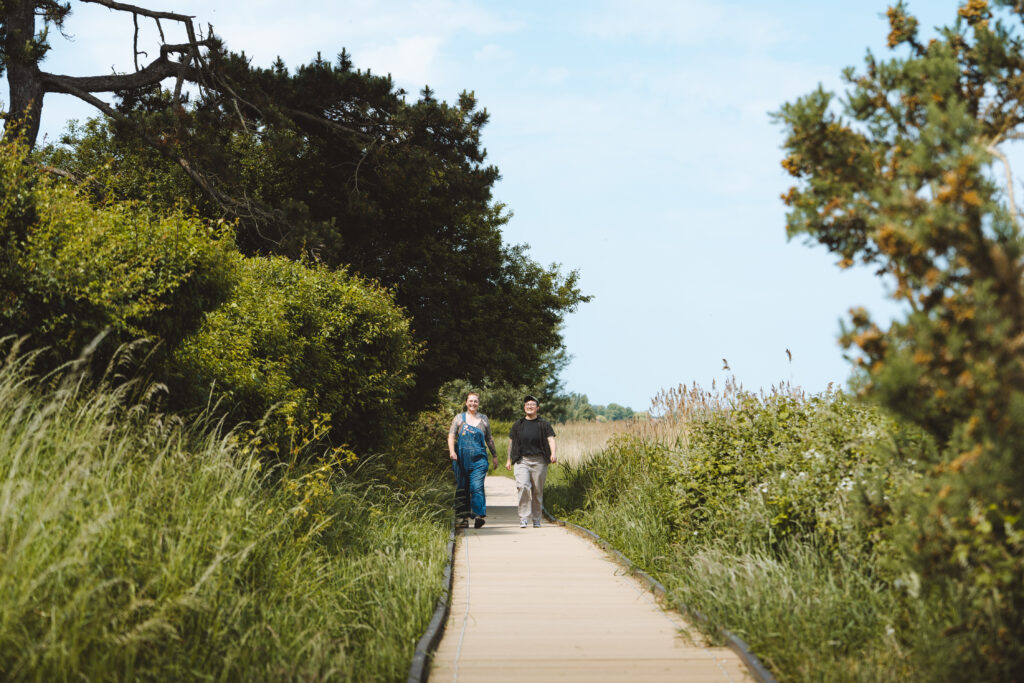
Our Norfolk Coast plays many roles: adventure playground, romantic getaway, paddler’s paradise and walker’s haven.
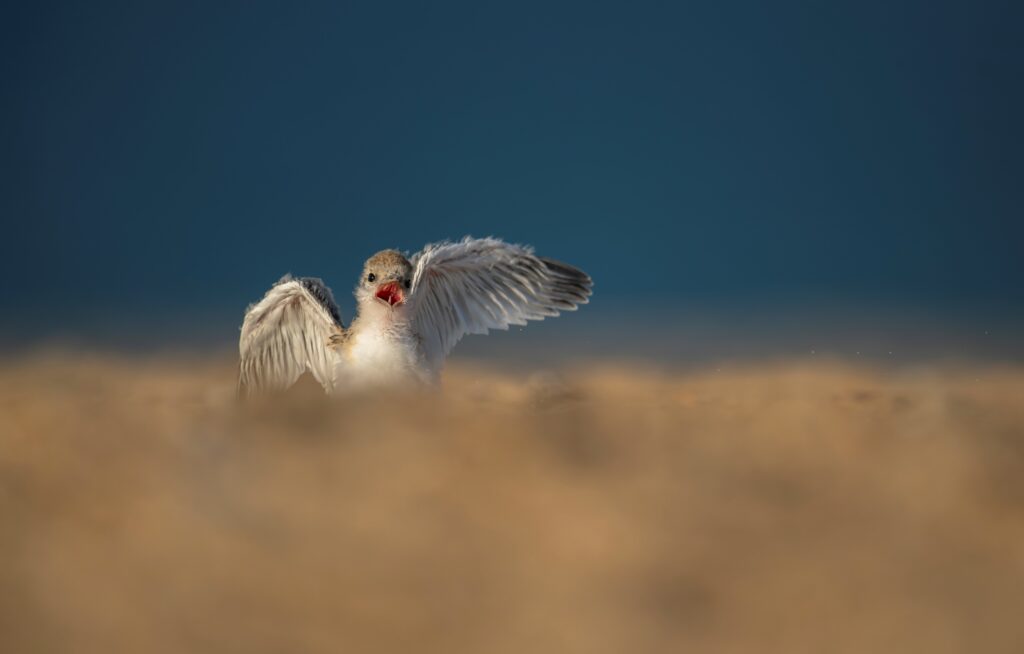
But when it comes to wildlife, the coast performs a truly vital role. It gives birds, seals and other creatures a safe place to rest and feed up after a long journey, take shelter and raise their young.
When people visit these habitats, it can disturb the wildlife found there. On the surface, this may seem quite harmless – after all, birds may simply fly to another area of the beach. However, when these animals are repeatedly disturbed it can have serious consequences, or even become a matter of life or death.
Think of a bird as having a little internal battery that keeps it going. Resting on the beach or feeding charges this battery – with energy used up when the bird moves around, either on the ground or in the air.
On a normal day, these two things balance each other out. But when a bird is disturbed by people or dogs getting too close, it will lose valuable re-charging time for its battery. If this happens frequently, it will leave the bird drained, exhausted and unable to do what it needs to do – whether that’s tending a nest, keeping chicks fed or making a long journey to migrate. It can also lead the bird to abandon an area entirely, choosing a new base that may have less food available or could be unsafe.
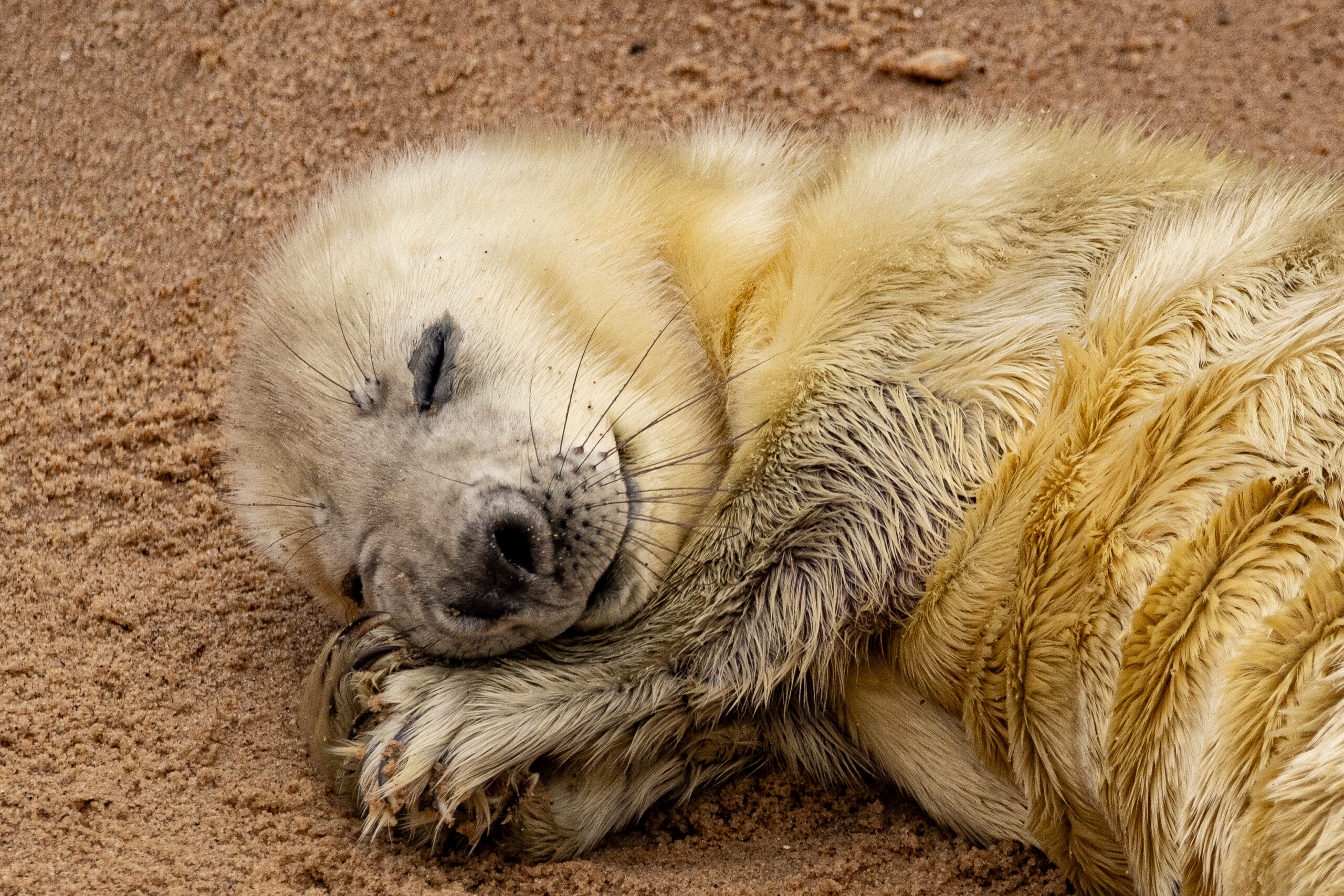
It’s not just birds that suffer from disturbance. Grey and harbour seals are two much-loved species that can often be seen on our coast, as bobbing heads in the water or as well-camouflaged colonies hauled out on the shore. But seals are incredibly sensitive creatures, and if we don’t give them space it can cause them real distress. If a mum perceives a threat, she may abandon her pup before it is able to fend for itself, and if a group of seals suddenly panic, they may stampede into the water at speed, seriously injuring themselves in the process.
How to know if you are disturbing birds or seals on the coast
These telltale signs will let you know you’ve got a bit close for comfort:
- They become watchful and look directly at you
- They stop what they are doing and move away, sometimes suddenly
- Birds may make repeated alarm calls
- In extreme situations, birds or seals may become aggressive towards you
If you realise you have disturbed wildlife, don’t panic – just quietly and calmly move away. If possible, you should aim to maintain a distance of around 100 metres (roughly the length of a football pitch). If you have a dog with you, put it on a short lead.
By following these steps and giving space to coastal species, you’ll be helping them thrive and giving their young the best start in life. Plus, by watching from a distance you’ll be able to observe their behaviour at its most natural – giving you a truly authentic experience.
Want to learn more about the wildlife of the Norfolk Coast?
Find out more about our iconic species here