Farming in Protected Landscapes
Discover a landscape alive with nature
£0
awarded to Norfolk coast projects
0
applications approved
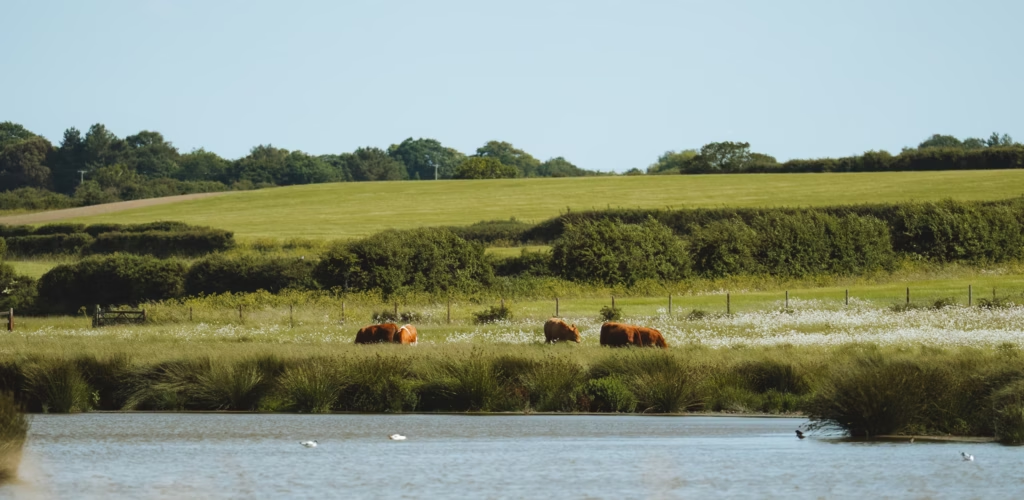
Farming in Protected Landscapes (FiPL) is a Defra grant programme for farmers, land managers and people living and working within National Parks and National Landscapes.
It has been extended recently to run until March 2029.
It provides development support and funding for projects that aim to do one of the following:
- Enhance the natural environment
- Mitigate the impacts of climate change
- Provide public access opportunities
- Support nature-friendly, sustainable farm businesses
Our guidance is for anyone in or adjacent to Norfolk Coast National Landscape with a project idea.
Guidance for applicants
Guidance for applicants
Projects 2025-26
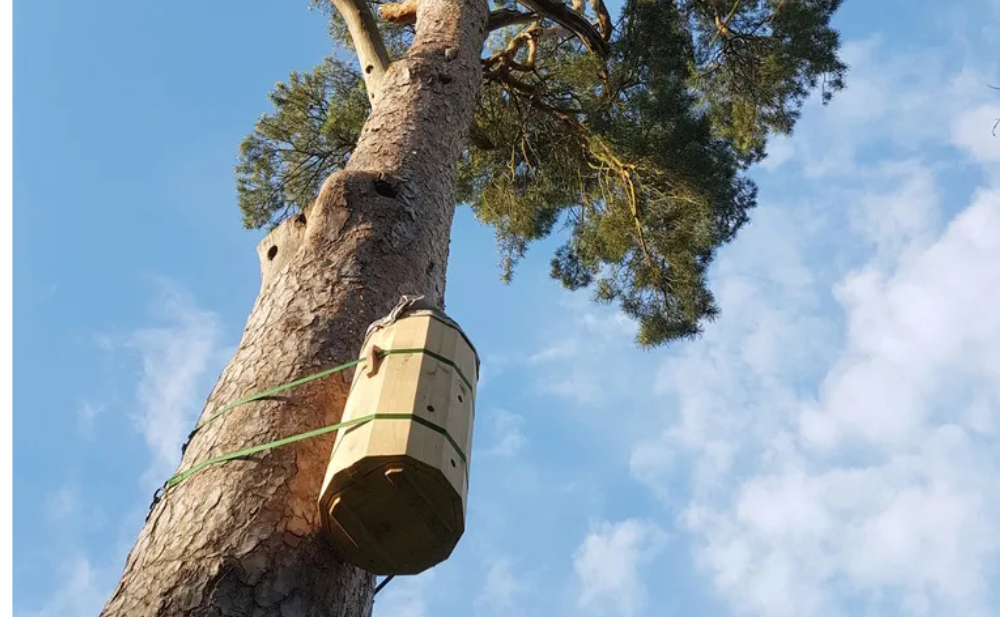
Healthy hedgerows & bees, North Norfolk
Educational workshops and support from the North Norfolk Coastal Farmers Group to help farmers and communities develop and map hedgerows and install wild bee hives, to create a network of connected hedgerows, and homes for wild bees.
£12,500
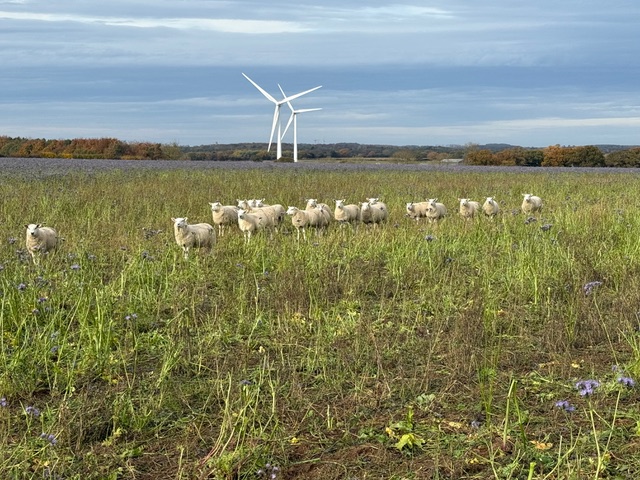
Mobile grazing equipment, North Norfolk
Mobile grazing equipment that the North Norfolk Coastal Farmers Group can loan out to trainee graziers, supporting this career path and a collective approach to grazing, whereby livestock can be moved between adjoining land on different farms to graze.
£28,913
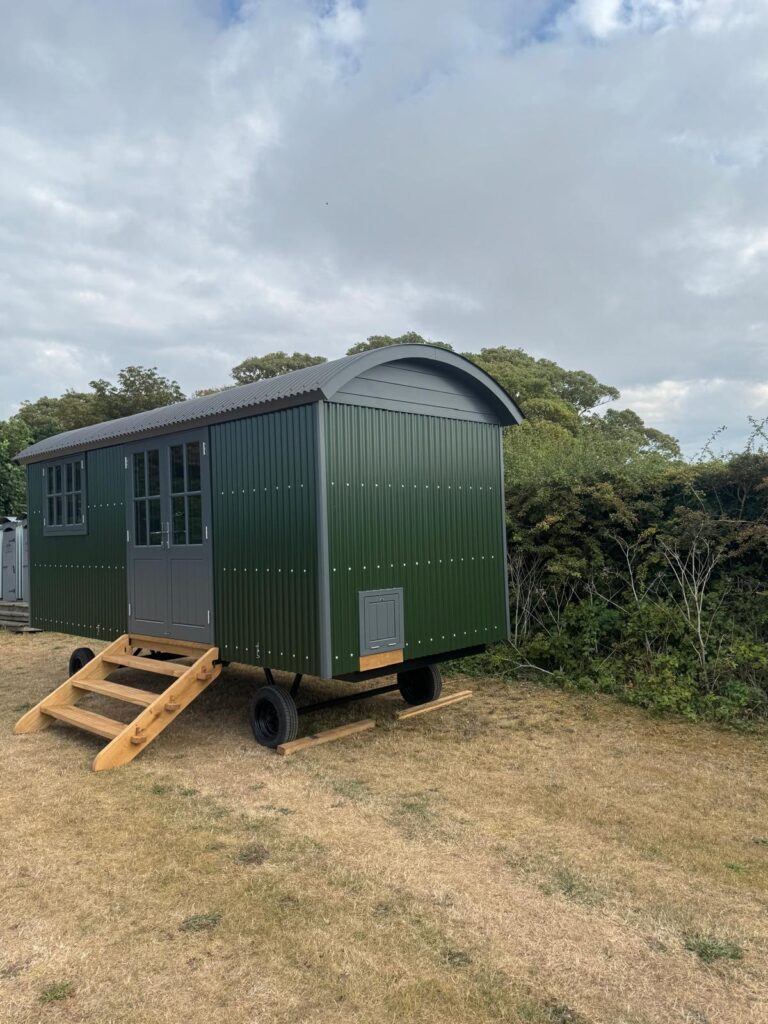
Shepherd’s hut classroom, Cley
A shepherd’s hut at Old Rectory Farm, providing an all-weather space for school groups and nature workshops, enabling year-round learning about sustainable farming, livestock management, and crop production in a practical setting.
£48,187
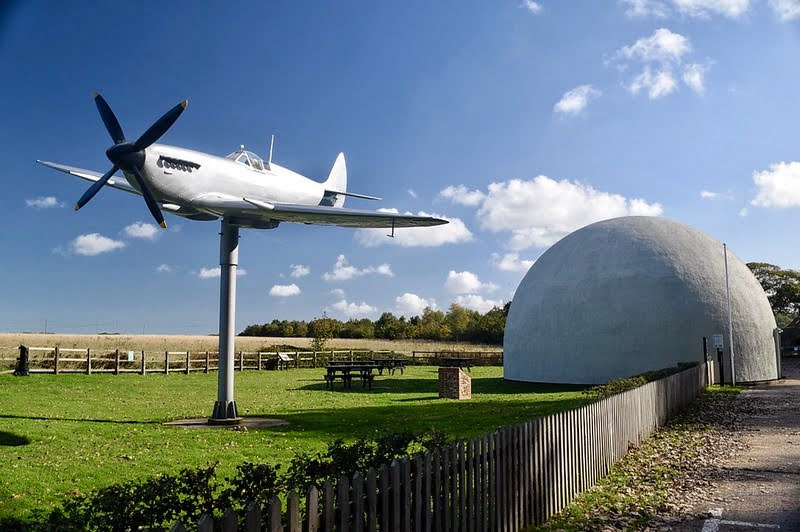
Fencing, Langham Dome Military Museum
Installation of a replacement rail fence along the boundary, separating the dome from farmed fields, and a new gate enabling visitors to move freely between the dome site and the associated WW2 airfield on open days.
£4,746
photo: SHARP
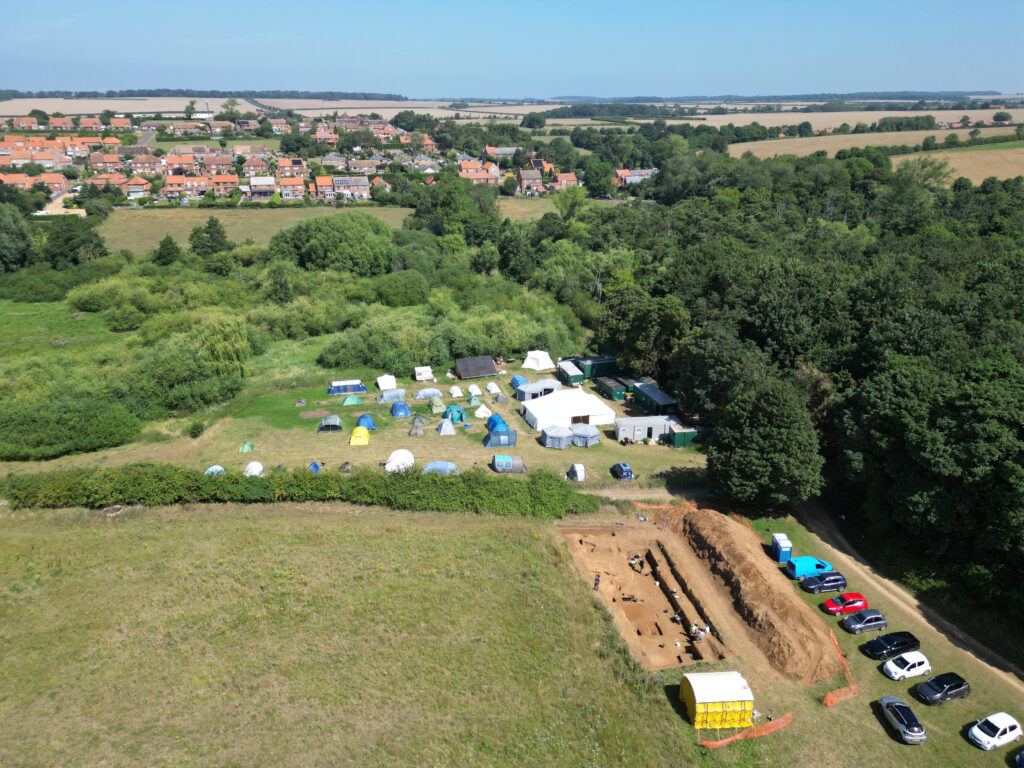
Education hut refit, Sedgeford
A refit of the information hut at Sedgeford Historical & Archaeological Research Project, including new display cases, storage, and interactive displays for the public to learn about the area’s rural and farming heritage over the last 4000 years.
£44,012
photo: Lee Evans
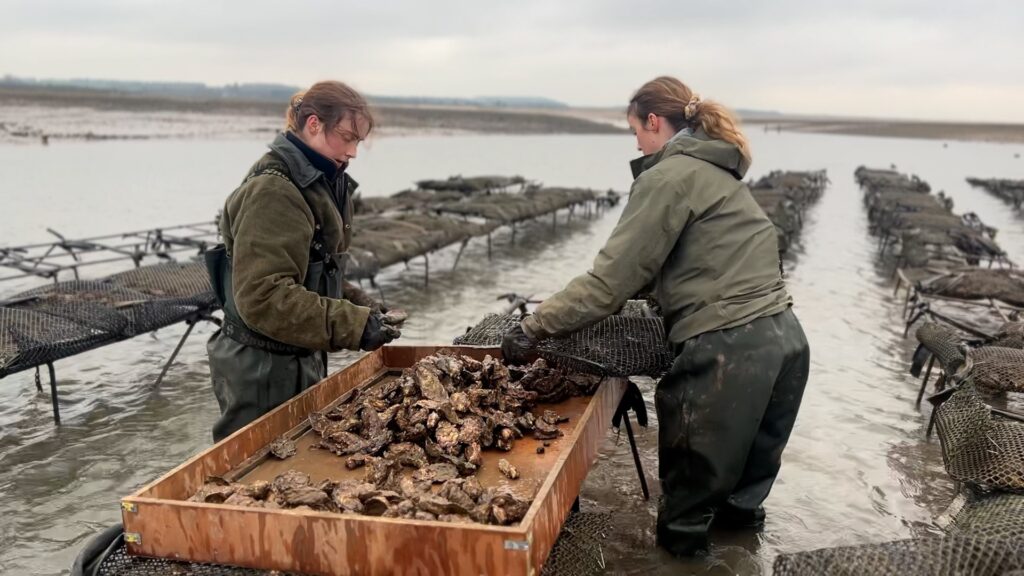
Native oyster farming, Blakeney Harbour
Improvements in water quality and biodiversity in the harbour by Norfolk Seaweed using oysters, which filter water and provide shelter for marine species, by farming native seed oysters on 12 new trestles installed in existing oyster beds.
£2,445
photo: Simon Harrap/Natural Surroundings
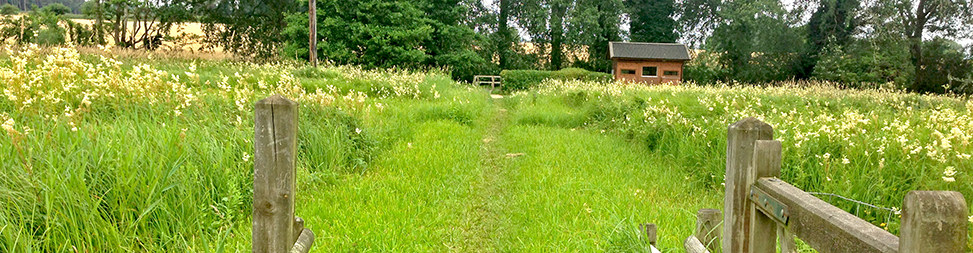
Mowing and cutting equipment, Holt
A battery-powered mower and cutting equipment to manage a semi-natural wet and dry meadow, to improve biodiversity and to keep paths mown to a suitable height for public access at Natural Surroundings, a wildlife-gardening centre.
£1,347
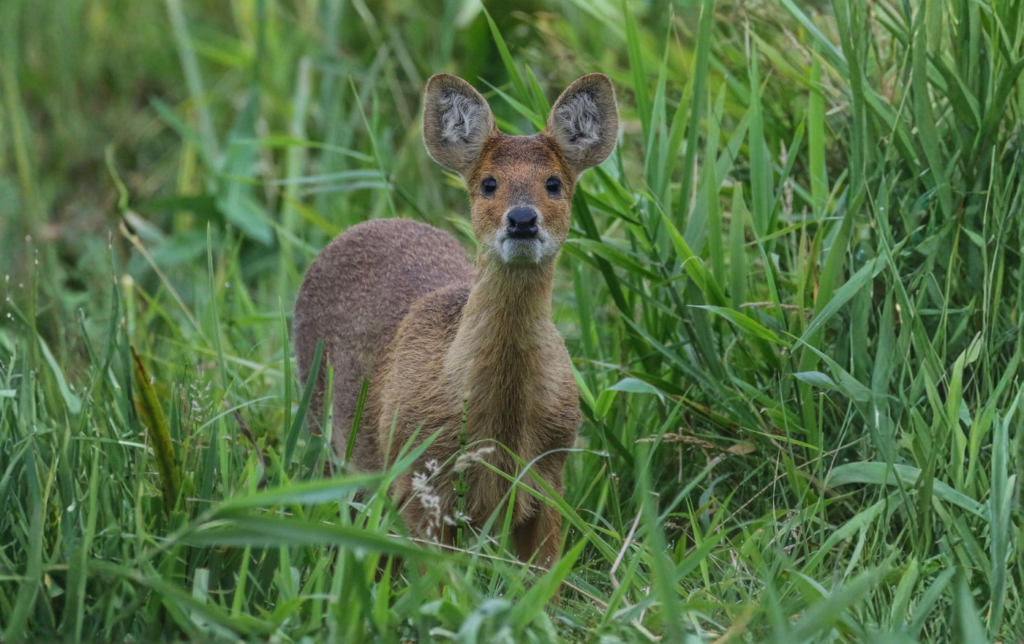
Deer management, Roughton and Felbrigg
Equipment to support a deer management plan to reduce the deer population and restore the ecological balance of farmland and woodland, as excessive deer numbers have led to vegetation loss, habitat degradation and a decline in biodiversity.
£5,462
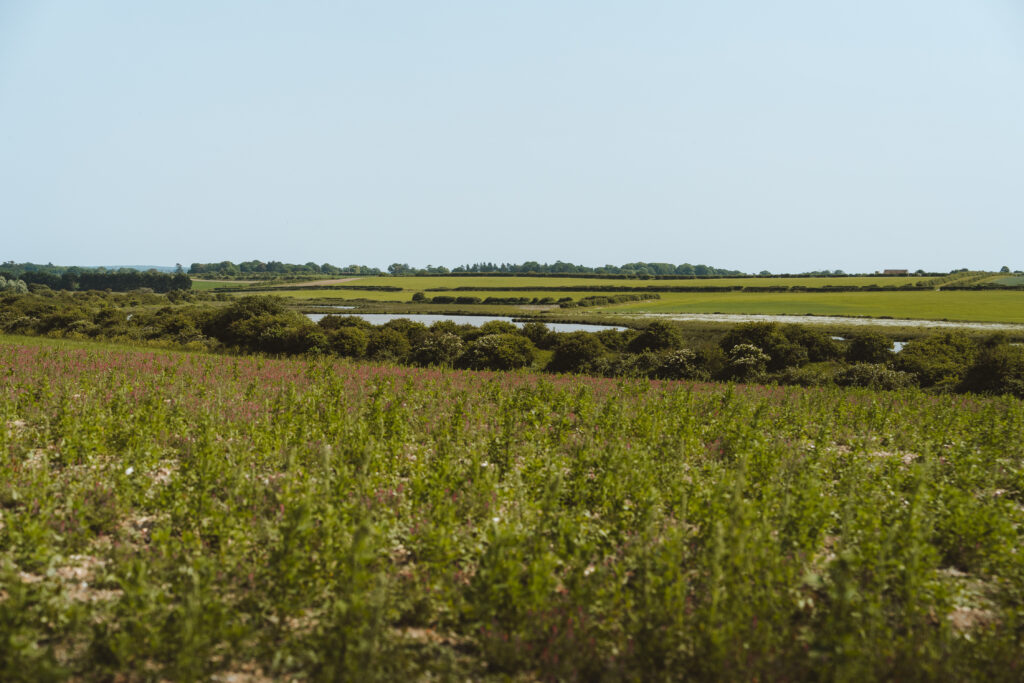
Wildflower meadow, Warham
Expansion of a wildflower meadow on Northgate Hall Farm, with locally sourced diverse wildflowers and tall herbs (20ha of each). This connects to the 30ha area sown in spring 2025 that sits next to saltmarshes that house rare and protected species.
£36,000
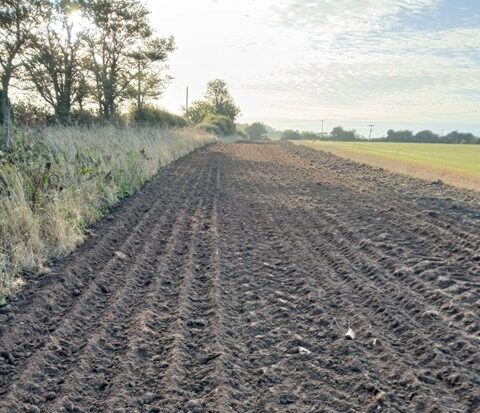
Connected corridors, River Mun catchment
A collaboration of 10 farmers in the North Norfolk Coastal Farmers Group to create a 13-ha grassland corridor rich in wildflowers to attract the bee-eater bird to become a regular visitor, among other species, and to help soil and water quality.
£19,230
photo: Richard Longley
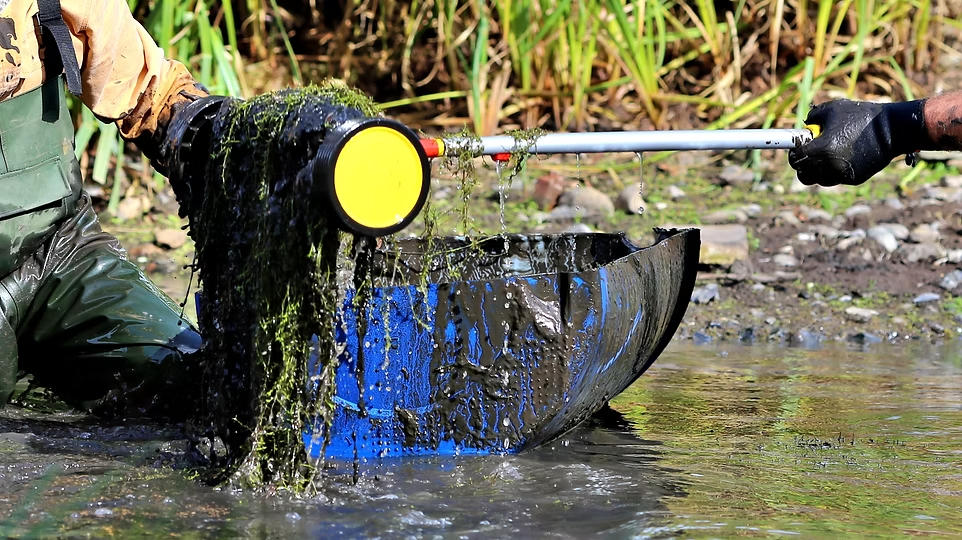
Nature recovery event, Morston Pond
A one-day training workshop by Sustainable Work Around Morston Pond (SWAMP) on the management and safe removal of non-native aquatic plants, with talks by an expert on non-native species and by a local conservationist.
£500
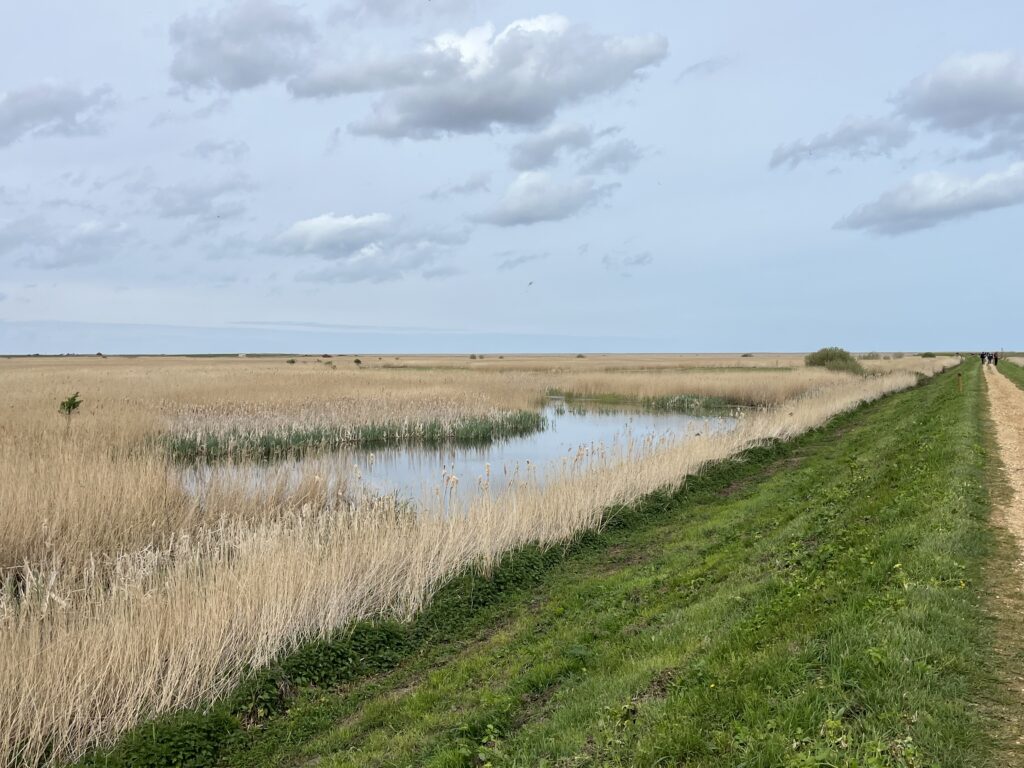
Mowing equipment for reedbeds, Salthouse
A new cutting bar for an existing mower to tackle woody vegetation to restore and manage the reedbed for commercial reed, and to support wildlife that rely on the reedbed habitat, including bitterns, water voles, amphibians and reptiles.
£1,175
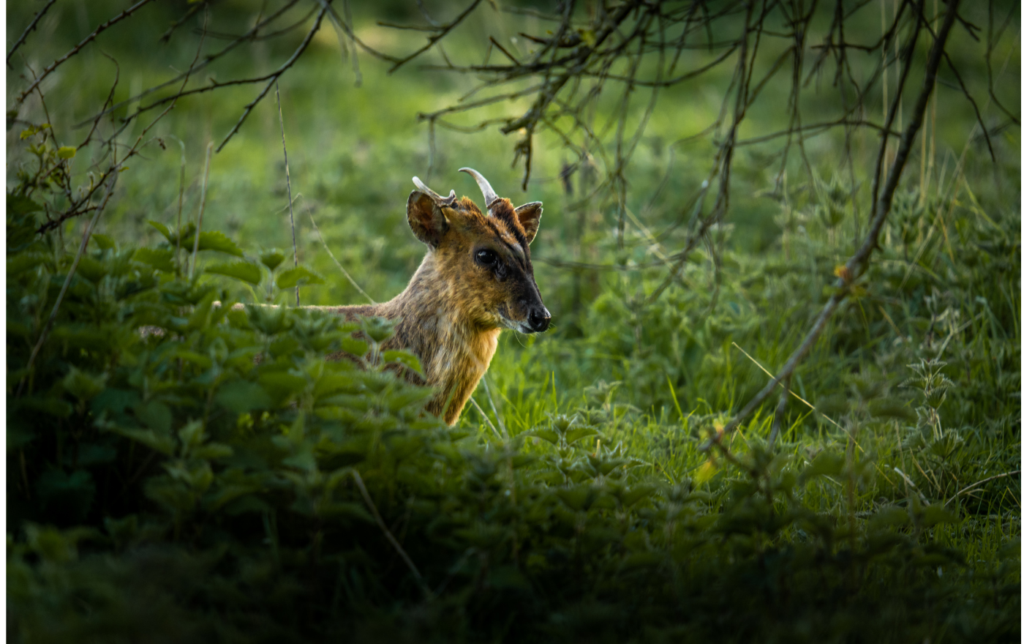
Deer management, Muckleborough
Equipment to support deer management to decrease damage caused by deer in woods on adjacent SSSIs (Kelling Heath and North Norfolk Coastal at Salthouse), on arable crops, and to enable natural regeneration of plants, trees and hedging.
£2,577
*Figures show the amount of Farming in Protected Landscape grant awarded to projects.
See our Funding awarded by Farming in Protected Landscapes page for information on funding awarded to projects each year.