As global temperatures rise and weather patterns change, we’re experiencing more frequent and extreme weather events all over the world. This includes heavy rainfall, drought, flooding, hotter days, and stronger coastal storms. For life and landscapes on our Norfolk Coast, this leads to accelerated erosion, threatened livelihoods, and significant damage to coastal habitats.
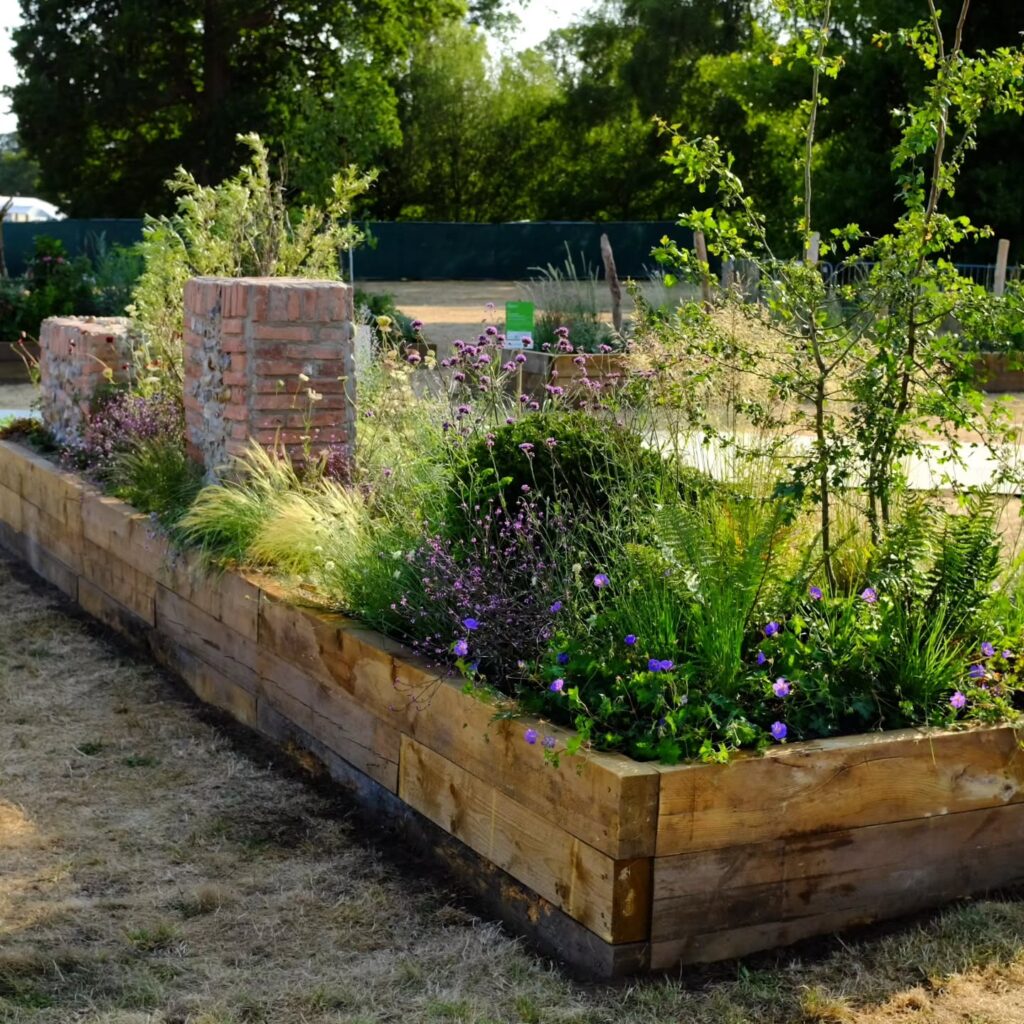
However, nature can be resilient, and some of our native plants can not only survive but adapt to these changing conditions. To celebrate these remarkable climate-resilient species and habitats, we’re sponsoring a long border display designed by Murrell Scott Design at the RHS Sandringham Flower Show, which will showcase several of these spectacular coastal plant species.
The display will feature marram and lyme grass. Above the surface, their tall, slender blades are resistant to wind and rain, while underground, their roots spread deep and wide, stabilising and binding sandy soil to create a natural defence against harsh waves and storm surges.
Another native species, the hawthorn tree, can withstand almost any weather conditions. It also plays an important role in tackling biodiversity loss, as these long-living trees provide lasting shelter and a valuable food source for many species.
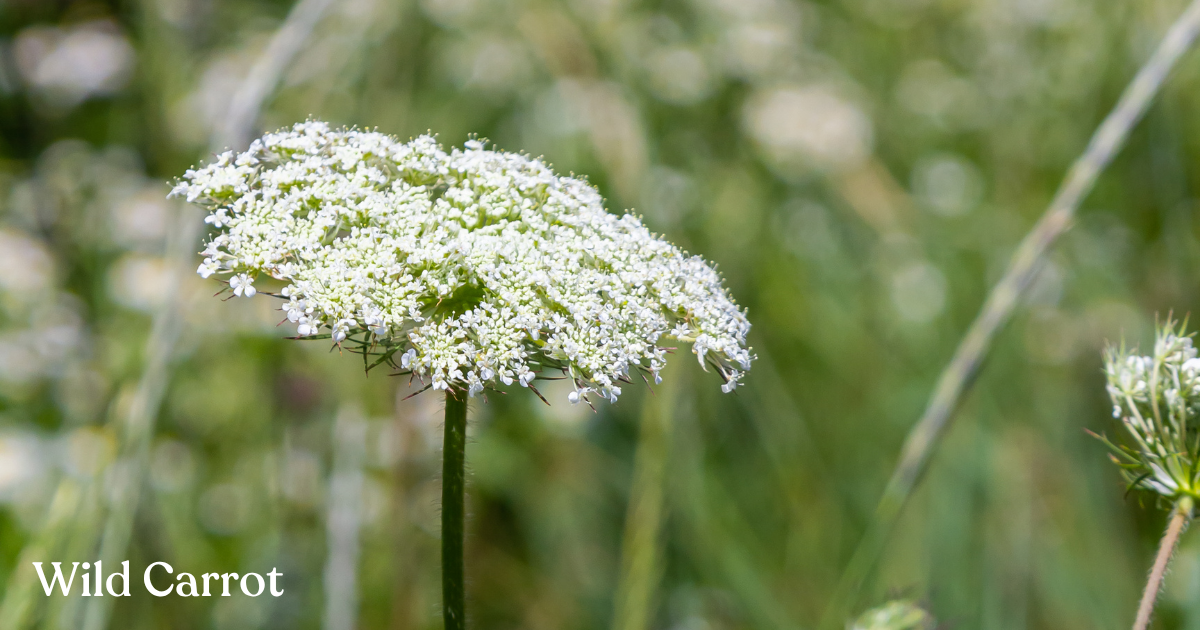
You’ll also see sea kale, with its white, honey-scented flowers in summer, alongside wild carrot, which produces flower clusters right into September. Together, these plants attract a wide range of pollinators along our coast. They contribute to a healthy ecosystem, encourage biodiversity, and support food security for both animals and humans.
We can’t wait for visitors to experience our long border in person. The border will be on display from 22–26 July at the RHS Sandringham Flower Show — but it doesn’t stop there. After the show, the border plants will be donated to a local school, helping to spread the word about the climate-resistant super plants growing along our coast.