What is nature recovery
Across our landscapes and coastlines, nature is telling a story — one that is increasingly about recovery.
When you think of nature, your thoughts might drift to a towering woodland with the smell of pine on the salty sea breeze. Or perhaps a quiet space, nestled among the sand dunes and sheltered from the wind. Nature evokes a sense of peace, and scenes of thriving plants and native animals.
Recovery, on the other hand, suggests something quite different. It speaks of repair, of treatment, of care – the restoration of something that has been damaged.
So, what do we mean by nature recovery?
Nature recovery is the process of restoring and improving nature. It goes beyond simply protecting the environment; it’s about actively helping wildlife, habitats, and ecosystems to recover and thrive.
Nature recovery can take many forms: restoring habitats that once existed, supporting the return of native wildlife, or reconnecting fragmented habitats.
Rather than simply conserving what is left, nature recovery goes further by rebuilding what has been lost.
Why does nature recovery matter?
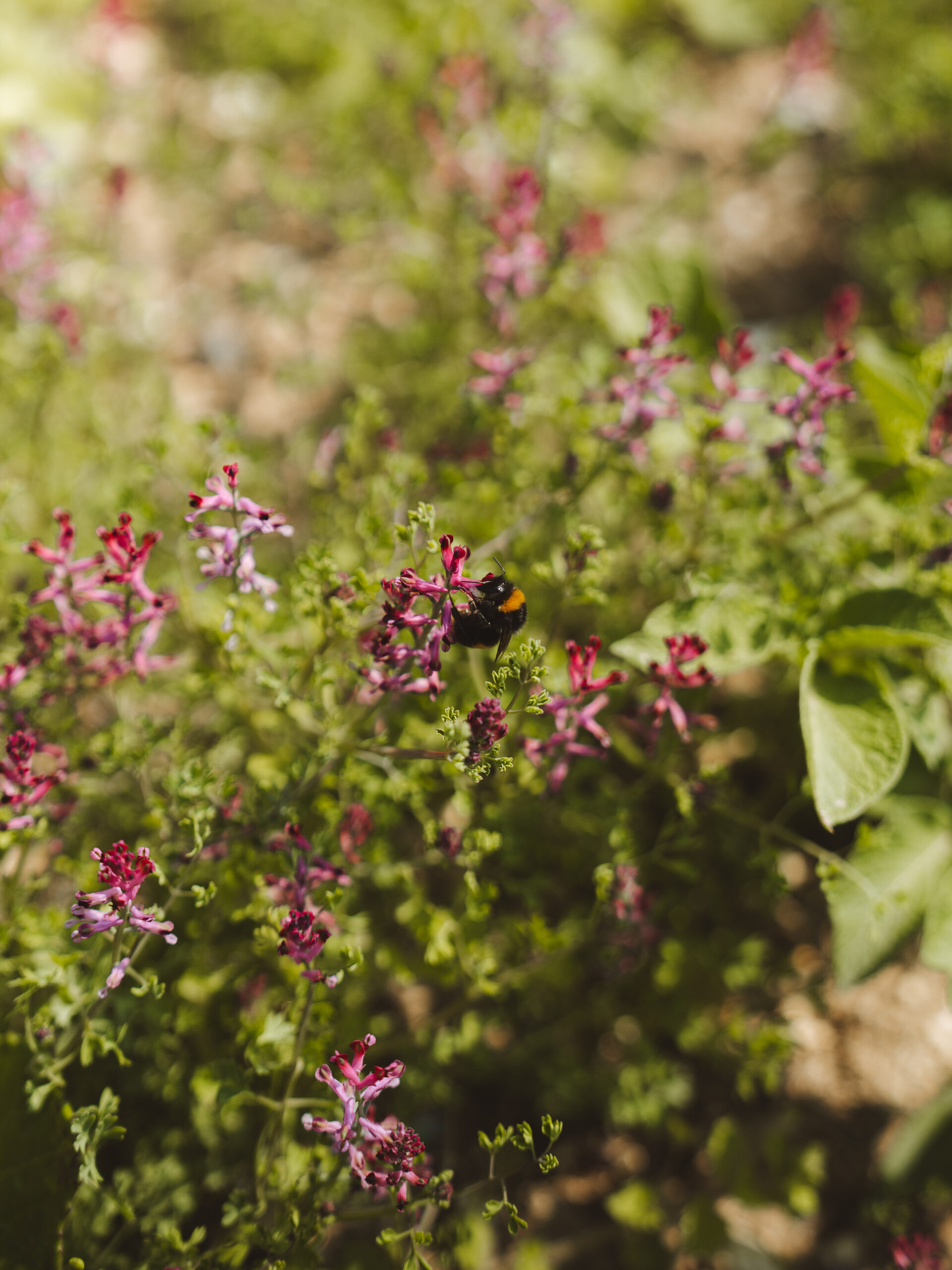
Nature recovery is vital for our coast. It helps restore biodiversity by offering pollinators a rich feeding ground, which in turn supports a wide range of native wildlife. It strengthens climate resilience, with more plants and green spaces absorbing carbon dioxide (CO₂). Restored wetlands, saltmarshes, woodlands, and rivers can reduce flooding and protect communities from extreme weather. Put simply, nature recovery makes our coast healthier, more resilient, and full of life.
Nature recovery in action
Our 2025 – 2030 Management Plan for the Norfolk Coast National Landscape has listed nature recovery as a main priority. With 21 nature-recovery-focused targets, we’ve co-developed an action plan to help achieve these with our partners over the next four years. However, that’s not to say action hasn’t already been taken. We’ve been supporting a wide range of projects to deliver nature recovery to our coast.
Through Defra’s Farming in Protected Landscape (FiPL) programme, we provide grants to farmers and land managers to deliver nature recovery projects. Since 2021, we’ve supported 68 projects with £1,012,538 of grants. From equipping local farmers with the knowledge and tools to build solitary hives for wild bees, to planting 250 apple trees that create the perfect environment for small animals and pollinators — and even provide fruit for the local community to pick in season — many of our FiPL projects are helping to rebuild nature along our coast.
We’re also supporting WWF, along with the National Trust, and The Crown Estate, to explore opportunities to restore and enhance coastal habitats within Blakeney Harbour. The resulting feasibility report identified real potential to restore saltmarsh and mussel beds, bringing benefits for both nature and the local community.
Our Wilder, Wetter, Better for Nature pilot project aims to restore and create wildlife-rich habitats along our coast. Funded by Defra, the project brings together partners including the Norfolk Rivers Trust, Holkham Estate, and 67 land managers working across 5,000 hectares of farmland. The project development phase concluded at the end of the summer, and we’re now waiting for Defra’s feedback on our proposals. If approved, this work could see new and restored habitats created and managed over the next 20 years, delivering long-term benefits for nature and the coast.
Looking ahead
Through practical projects, strong partnerships, and local action, we’re restoring nature where it’s been lost and strengthening our protected landscapes and seascapes for the future.
By supporting nature recovery, we can ensure our coast remains a vibrant, resilient place for wildlife and people alike.