Nature conservation
Access for visitors
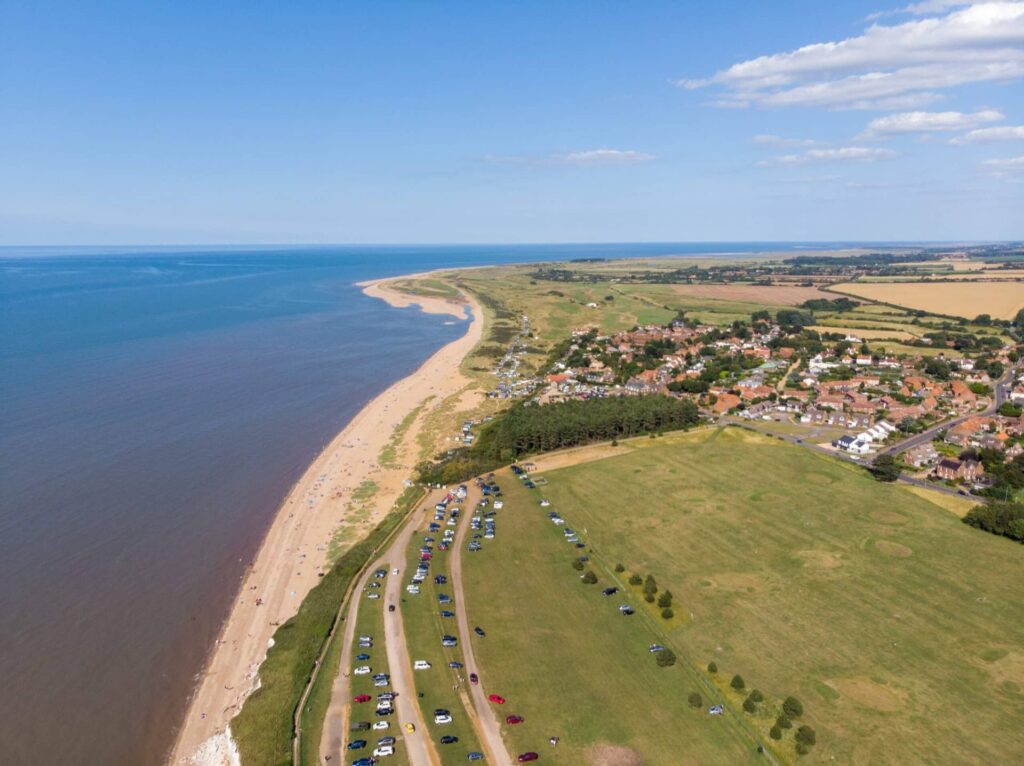
This work explores how best to balance nature conservation with public access along The Wash and North Norfolk Coast.
While our coastline provides valuable opportunities for people to visit and enjoy, this access must be managed carefully to avoid negative impacts on the natural environment. During Phase 1, the project applied the Limits of Acceptable Change (LAC) process, a framework for managing visitor impacts on sensitive natural sites. Although widely used internationally since the 1980s, LAC has seen limited application in the UK – especially not at the scale or complexity of The Wash and North Norfolk coastline.
Working with stakeholders, project partners identified key issues, including pressures on beach-nesting and non-breeding waterbirds, seals, and coastal habitats such as foredunes, vegetated shingle, and saltmarsh.
They also identified a series of management reflecting how different areas are used —towns and villages, high-appeal visitor sites, green spaces, wildlife tourism areas, wild places and wildlife-only spaces. A zoned map allowed the team to outline targeted actions for each zone and issue, creating a practical toolkit of interventions.
Phase 2, completed in summer 2025, builds on the original 2022 study described above.
Focused on refining and expanding the scope of the original work, new visitor data was collected during winter 2024/25 across 132 locations. This provided an updated evidence base to reassess acceptable levels of use within each of the management zones.
Stakeholder engagement also continued throughout Phase 2. Workshops held in March 2025 brought together landowners, NGOs, local authorities and site managers to review the original zones and the criteria used to define them. Their input led to several important refinements, including the addition of seasonal restrictions and the creation of a new category—Destination Sites with Wildlife Sensitivities—to better reflect ecological needs throughout the year.
The report highlights the need for coordinated action across The Wash and North Norfolk Coast. It recommends encouraging wider adoption of the LAC framework by planning authorities and site managers, alongside continued stakeholder engagement to support adaptive management. A detailed case study at Holme Dunes National Nature Reserve (NNR) illustrates how the LAC framework can identify priority areas for intervention and guide practical measures that protect vulnerable habitats while maintaining opportunities for people to enjoy the coast responsibly.
We are continuing to work with our partners and stakeholders to establish next steps and start to make on-the-ground changes to reduce the impacts of visitor pressure at sensitive sites.